Contractors and trade professionals in Calgary often juggle multiple projects, tools, and materials across the city. Between managing tight schedules, varying job sites, and limited vehicle space, organization quickly becomes a challenge. Having a reliable storage system helps maintain order and efficiency. Storage units offer an affordable and flexible way to manage supplies, protect valuable equipment, and keep workdays running smoothly.
Why Contractors Benefit from Storage Units
Every contractor faces the same struggle: where to keep tools, equipment, and extra materials when not in use. Job sites come and go, and garages fill up fast. Using a secure storage unit offers a practical alternative that helps streamline daily operations. By keeping essential tools in one location, you can reduce time spent loading and unloading vehicles every morning. This saves both time and fuel, which adds up over months of work.
Contractors who manage seasonal work, such as landscaping or roofing, also benefit from a place to store specialized gear during the off-season. When work slows down for the winter, having a climate-controlled environment to protect materials from freezing or rusting ensures that equipment stays in top condition for the next busy season.
A good storage unit can serve as an extension of your workshop. Some professionals even organize theirs with shelving, bins, and labeled sections, turning them into efficient, mini supply depots.
The Practical Side of Storage for Trade Professionals
Trade professionals often work with high-value equipment that requires proper protection. Electricians, plumbers, carpenters, and HVAC specialists all rely on expensive tools and replacement parts that cannot be left unsecured overnight. A well-maintained storage facility provides a clean, dry, and locked environment where you can safely leave your gear.
The convenience factor is equally important. Contractors frequently move between residential and commercial areas, so choosing a facility in a central Calgary location saves hours each week. Access should be available outside of regular business hours to accommodate early starts or late returns.
Some contractors use separate storage units for different projects. For example, a plumbing company might dedicate one unit to commercial contracts and another for residential jobs, each stocked with relevant materials. This method simplifies inventory control and prevents mix-ups.
Cost Efficiency and Inventory Management
Owning or renting a large warehouse is expensive, especially for small or medium-sized businesses. Storage units provide a flexible alternative. You pay only for the space you need, and you can easily upgrade or downsize as your business changes.
Good organization inside the unit maximizes this value. Installing shelving or using labeled containers helps avoid duplication and loss. Contractors often find they spend less on new materials when they can actually see and track what they already have.
Maintaining an inventory list or using a simple mobile app to log stored items saves even more time. This approach lets you know exactly what you have available before heading out to a job site, reducing unnecessary purchases.
You can explore self storage solutions in Calgary to see how flexible storage options can support trade professionals in managing space and cost efficiently.
Security and Safety Considerations
Safety and security are top concerns for any contractor. Tools and materials represent a significant investment, and theft from vehicles or job sites remains common. A storage facility with video surveillance, gated access, and on-site monitoring offers an additional layer of protection.
In addition to security, storage units also help maintain compliance with safety standards. Certain materials or chemicals used by painters, plumbers, or cleaners must be kept away from heat sources or residential areas. Proper storage reduces risk and keeps you compliant with local regulations.
Some contractors use their units to store flammable or temperature-sensitive materials safely by selecting climate-controlled options. These maintain stable conditions throughout the year, preventing damage or deterioration.
How to Organize a Storage Unit for Maximum Efficiency
A storage unit works best when it is organized like a workspace, not a dumping ground. Begin by placing heavy equipment at the back and lighter or frequently used items near the front. Use industrial shelving to create vertical storage space.
Grouping tools and supplies by trade or project saves time. For example, plumbers might keep fittings, sealants, and specialty tools together. Electricians might sort by wire type, connectors, and breakers.
Labeling every bin or shelf prevents confusion during busy workdays. Clear bins or containers make it easy to see what’s inside without opening everything. Rolling carts or portable toolboxes near the entrance allow quick access for loading into vehicles.
If you share the unit with coworkers, establish a simple system to track what’s taken and returned each day. A whiteboard or shared app can help maintain order and accountability.
Seasonal Storage for Construction and Maintenance Work
Calgary’s climate creates unique challenges for contractors. Cold winters can damage certain materials and shorten the lifespan of batteries and power tools. Using an indoor storage unit helps protect equipment from freezing temperatures and moisture exposure.
In spring and summer, when projects multiply, these units act as central hubs for loading and unloading between sites. You can rotate seasonal items—like snow-removal gear or landscaping tools—based on your schedule.
Trade professionals working in outdoor maintenance, such as deck builders or irrigation specialists, often store extra inventory during the off-season. This prevents clutter at home or in vehicles while ensuring everything is ready to go when the next season begins.
Accessibility and Flexibility for Daily Operations
One of the main benefits of professional storage is accessibility. Contractors need access to their tools whenever work demands it, not just during standard office hours. A facility that offers extended or 24-hour access provides freedom to start early or finish late without delays.
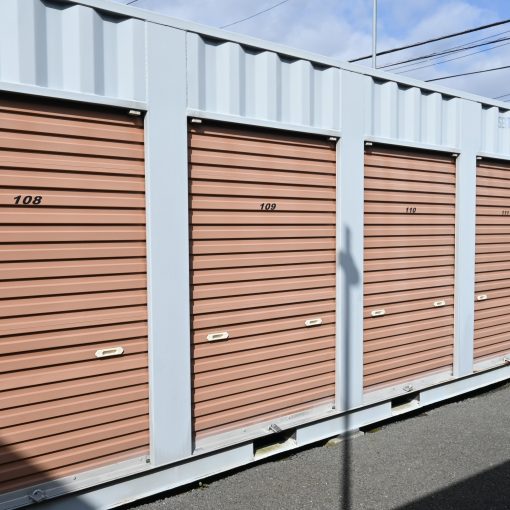
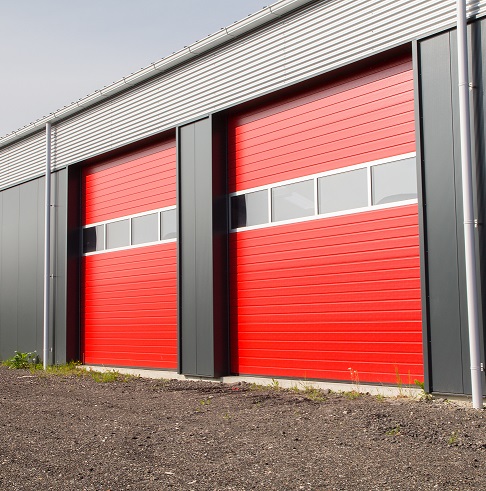
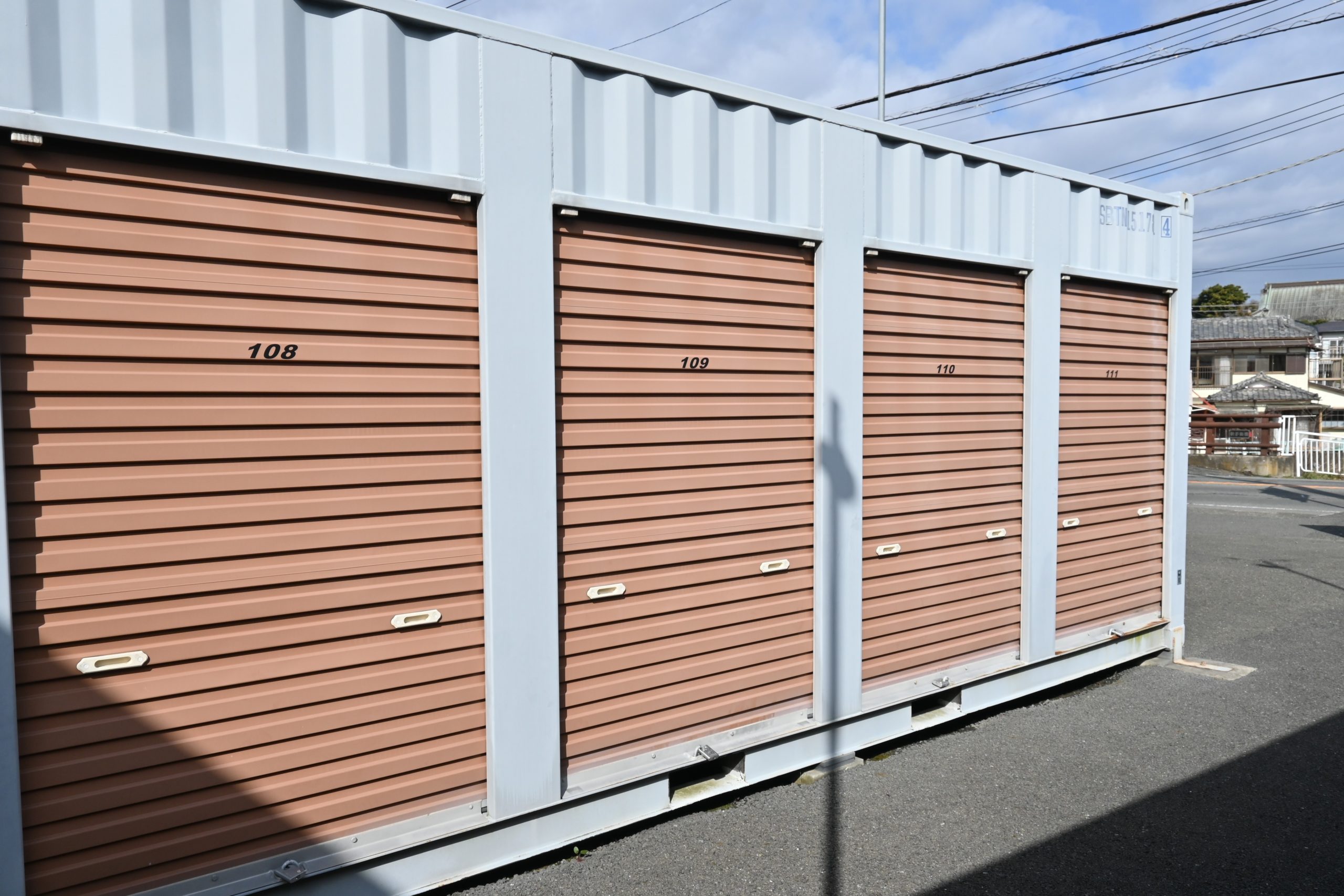
Drive-up units make the process even smoother. You can back a truck or van right up to the entrance and load equipment directly, saving time and energy. Some facilities even offer wide lanes and large doors designed specifically for trades that use trucks and trailers.
Flexibility also matters when project sizes change. A small electrician starting out might need only a small unit, but as the business grows, larger spaces can accommodate more tools and materials.
Tips to Make the Most of Your Storage Unit
We often see that the most organized contractors treat their units as working extensions of their business, not as temporary holding spaces. A few simple practices make a big difference:
First, clean the unit periodically. Dust, debris, and leftover materials pile up quickly in any work environment. A monthly sweep keeps everything in order and prevents damage to stored items.
Second, keep a record of key items with serial numbers or photos for insurance purposes. In case of theft or damage, these records simplify claims.
Third, rotate stock regularly. Materials like sealants, glues, and paints have expiration dates. Storing them in the right conditions and using them in order of purchase helps reduce waste.
Lastly, evaluate your storage needs seasonally. Downsizing during slow periods or expanding during busy months keeps costs predictable and avoids paying for unused space.
How Storage Helps Small Teams and Independent Trades
Independent contractors and small teams often face the biggest space challenges. Without a company warehouse, it’s easy for equipment to end up spread across garages, basements, and trucks. A single, centralized location simplifies logistics and improves professionalism.
Having a unit also improves customer service indirectly. When your tools and materials are always accessible and organized, you can respond faster to urgent jobs or unexpected issues. There’s less downtime hunting for parts or rescheduling work because of missing equipment.
Small teams who share space can split costs, which makes professional storage more affordable. Some even coordinate shared inventories for common supplies like fasteners or adhesives, saving everyone money and time.
The Value of Climate-Controlled Storage
For contractors working with delicate tools, electronics, or wood materials, climate control is a worthwhile upgrade. Calgary’s temperature swings can cause warping, corrosion, or cracking in sensitive equipment. Maintaining consistent conditions ensures everything remains functional and ready for use.
In woodworking or flooring trades, humidity control also matters. Wood expands and contracts with moisture changes, which can ruin valuable stock. Similarly, battery-powered tools last longer when stored in stable environments rather than freezing or sweltering vehicles.
Choosing climate control is not just about comfort. It’s an investment in longevity and reliability for your most important equipment.
Planning Your Storage Setup
Before renting a unit, plan your layout. Measure your largest items and visualize how you’ll move around inside. Keep a clear aisle for walking and pulling out heavy objects. If you handle bulky items like drywall or piping, look for a unit with wide doors and ground-level access.
It helps to think in zones: one area for power tools, another for materials, and another for consumables. Keeping everything categorized prevents confusion during busy workdays.
Contractors who handle high-value equipment may also consider insurance coverage for stored items. While many facilities have their own policies, confirming your coverage offers peace of mind.
If you are considering organizing your workflow with professional storage, you can contact us for practical information about space options and access schedules.
FAQ
How big of a storage unit does a typical contractor need?
Most contractors start with a 10×10 or 10×15 unit. The right size depends on how many tools and materials you store and whether you need space for large equipment or shelving.
Can I install shelves or racks inside my unit?
Yes, as long as they are free-standing and do not damage walls or floors. Shelving greatly improves organization and efficiency.
Are storage units safe for power tools during winter?
Yes, especially if you use a climate-controlled unit. Stable temperature and humidity prevent freezing and rust.
Can multiple employees access the same unit?
Yes, you can share access codes or keys with authorized team members. Many facilities offer secure individual access records for added safety.
Is long-term storage more affordable than renting warehouse space?
Usually yes. Storage units provide flexibility, allowing you to adjust space and cost based on your needs rather than committing to a fixed warehouse lease.