Collecting valuable items can bring pride and enjoyment, but storing them improperly can lead to fading, warping, cracking, or even total loss. Whether it’s vintage toys, rare comics, coins, action figures, or family heirlooms, the way we protect and organize these items matters. We want to make sure everything we store stays safe, clean, and valuable over time. That means choosing the right packing materials, using proper containers, and keeping the storage space controlled. Let’s break down what works and what doesn’t when protecting collectibles in storage.
Climate Control Keeps Value Intact
Humidity and heat are quiet threats to collectibles. Moisture leads to mold on paper, mildew on fabrics, rust on metals, and swelling in wood. At the same time, high temperatures can warp plastics or fade ink. That’s why climate-controlled spaces are key. These areas maintain stable temperatures and humidity levels all year. In other words, we stop seasonal changes from damaging anything inside.
It’s also worth noting that direct sunlight harms most collectible materials. UV rays fade paint, ink, cloth, and even plastics. So, storing items in shaded areas or containers that block light helps too. For sensitive collections, avoid attics and garages. These spaces often trap moisture or freeze in winter. Instead, self storage solutions in Calgary offer controlled environments where items are not exposed to daily shifts in weather.
Use the Right Containers for Each Type
Every collectible has its own storage needs. Some materials need to breathe, while others need to be sealed. That’s why we don’t store everything in the same way. Acid-free boxes are best for books, comics, and paper. These prevent yellowing and slow down natural aging. For coins or small antiques, we use hard plastic containers with padding to prevent scratches and dust.
When it comes to larger items like vinyl records, dolls, or action figures, we look for containers that offer support but don’t press against the surface. Storing figures upright in plastic bins with foam dividers avoids warping. Likewise, we avoid stacking heavy boxes on top of each other. That causes crush damage over time, especially with long-term storage. Containers should be labeled clearly, but also allow for air to circulate in most cases. Airtight bins are useful for some materials, but not all.
Protect Against Dust and Pests
Even in secure storage units, we take extra steps to keep out insects and rodents. Dust alone causes wear, but pests go much further. They chew packaging, build nests, or leave stains. To prevent that, we seal openings in containers, avoid cardboard boxes, and never leave food or organic material nearby. Plastic bins with tight lids work better than open crates or paper cartons.
We also wrap fabric items in cotton covers instead of plastic, because plastic can trap moisture and create mold. In coin or stamp collections, we never use rubber bands or old adhesives. These break down and leave marks. Instead, we use folders made for that specific purpose. If needed, we add silica gel packets to containers to absorb any moisture and reduce the chance of mildew buildup. This kind of prep saves value over the long term.
Label and Inventory Everything Clearly
Staying organized matters just as much as the right container. We use labels that list exactly what’s inside each bin or box. This helps us avoid unnecessary opening and handling, which reduces wear. For valuable items, we also create a separate inventory list. It includes the item name, condition, value, and photo. As a result, we can track our items and spot damage early.
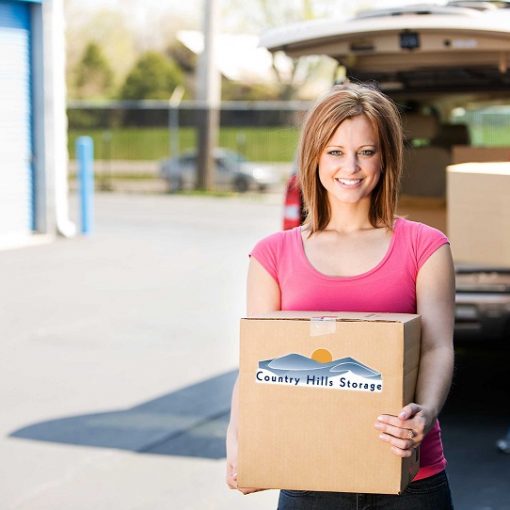
To go a step further, we keep a backup of the inventory list in a different location. A simple spreadsheet on a phone or computer works well. For large collections, printed inventory sheets can be included inside the unit but stored in a folder at the top. That way, we don’t dig through everything to find what we need. Country Hills Storage offers the option to set up units where labeling and access are easy to manage over time.
Avoid Common Packing Mistakes
It’s easy to make a mistake without realizing it. One common issue is using newspaper as wrapping. Ink transfers onto delicate surfaces and leaves stains. Instead, we use plain acid-free tissue paper or unprinted packing paper. Another mistake is overfilling boxes. Even if we’re trying to save space, tight packing creates pressure that bends and damages fragile items.
We also skip using old or reused boxes. They break down fast, attract pests, and usually don’t offer solid support. In every case, proper storage means using fresh materials built for the task. Furniture pads, bubble wrap, foam inserts, and corner protectors go a long way when it comes to fragile or oddly shaped collectibles. For high-value items, we even double-box with added protection.
Keep Items Off the Ground
No matter how clean a storage unit is, the floor is not the place to keep anything valuable. Floors can trap moisture, especially in winter. Concrete can become damp even when it looks dry. That’s why we place items on shelves, pallets, or storage racks. This adds airflow below the containers and keeps everything elevated.
As a result, even in case of minor flooding or condensation, nothing touches the surface directly. It’s a simple change that adds a layer of safety. We can also adjust shelf levels depending on the type of item being stored. This means less stacking and fewer weight issues for delicate items like boxed models or framed prints.
Choose a Storage Facility You Can Access Easily
Being able to check on your items regularly makes a big difference. That’s why we recommend choosing a location close to home or work. This lets us inspect collectibles without hassle. If something shifts or starts to deteriorate, early signs are easy to catch. It also helps if we add or remove items throughout the year.
Accessible units that are clean, secure, and managed by helpful staff give us peace of mind. We also look for places with solid fencing, cameras, and individual access codes. These basic features make it easier to trust that the unit stays safe between visits. For reliable self storage solutions in Calgary, picking a convenient location with good reviews is worth the time upfront.
Maintain Value Through Long-Term Care
Storage is not just about where we put something. It’s about how we treat it over time. Items lose value when neglected. That’s why we do seasonal check-ins and monitor for signs of moisture, fading, or pests. When possible, we rotate items and rewrap them with fresh padding. This keeps things in good shape and avoids long-term wear.
Temperature changes over the year can still affect sealed bins. So, we use a simple checklist to inspect boxes, relabel anything unclear, and take new photos if needed. If we plan to sell items later, good condition and detailed records often raise the resale value. Safe storage means we don’t just hide things away. We preserve what matters, even when it’s out of sight.
Take the Next Step Toward Safer Storage
Ready to protect your collection properly? Speak with someone who understands how storage affects value. If you have questions or want help choosing the right unit, contact us directly for personalized storage advice. We’re here to make sure your items stay in great shape, whether they’re family keepsakes or rare collectibles.
FAQs
How do I know if climate control is really necessary for my items?
If your collection includes paper, fabrics, wood, electronics, or metals, it probably needs a climate-controlled space. These materials react to temperature and moisture over time.
Can I use vacuum-sealed bags for long-term storage?
Vacuum sealing may save space, but it’s not safe for all collectibles. Items like fabrics and soft plastics can deform. Use breathable covers or padded containers instead.
How should I store valuable collectibles like signed memorabilia?
Keep signed items in acid-free cases or sleeves. Store them flat or upright with backing boards. Avoid handling them with bare hands to prevent oils from causing smudges.
Is it better to keep original packaging or store items separately?
Original packaging helps preserve value, especially for toys and electronics. If the packaging is sturdy, use it. If not, protect the item inside and store the box separately.
What do I do if I find signs of mold or pests in my storage?
Remove affected items quickly and clean with safe methods for that material. Inspect other boxes, replace packaging, and consider moving to a drier unit.