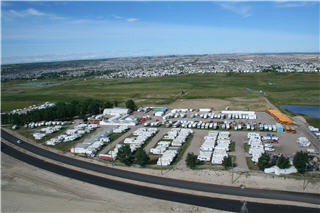
Home renovations can improve comfort and increase property value, but daily life often becomes stressful during construction. Dust spreads quickly, furniture gets moved from room to room, and simple routines feel disrupted. At County Hills Storage, we see how temporary storage helps homeowners stay organized instead of overwhelmed. By planning ahead and removing excess items from the work area, renovations become more manageable and far less chaotic.
Creating a Clear Renovation Plan
Before demolition begins, it is important to outline exactly which rooms will be affected. Contractors typically recommend clearing surrounding spaces to prevent accidental damage. When belongings remain inside the home, pathways become tight and clutter builds quickly. As a result, even small upgrades can feel much larger than expected.
Start by identifying furniture, décor, seasonal items, and valuables that do not need to remain on site. Packing these items early creates open work zones and improves contractor efficiency. In addition, fewer obstacles reduce the risk of scratches, dust exposure, and misplaced belongings. Clear planning sets the tone for a smoother renovation process.
Why Temporary Storage Reduces Stress
Living in a construction zone can affect sleep, routines, and productivity. When items are stacked in hallways or spare rooms, the home begins to feel smaller and disorganized. Therefore, relocating non essential belongings to a secure unit restores breathing room inside the house.
Many homeowners choose flexible storage options from County Hills Storage because it allows them to focus on renovation progress instead of daily clutter. Units provide clean, secure space for furniture, appliances, and personal items during short term or long term projects. Most importantly, keeping your home clear improves both safety and peace of mind.
Protecting Furniture and Valuables
Construction dust travels farther than most people expect. Even sealed rooms may allow fine particles to settle on surfaces. Over time, dust can affect electronics, upholstery, and wood finishes. Consequently, storing valuable items off site helps preserve their condition.
Wrap furniture carefully before moving it to storage. Label boxes clearly and keep fragile items elevated. Climate controlled considerations may also be helpful for sensitive materials. When belongings are stored properly, they return to your renovated home in the same condition they left. Protection today prevents replacement costs tomorrow.
Managing Renovations in Phases
Large renovations often happen in stages. Kitchens, bathrooms, flooring, and painting may occur weeks apart. Meanwhile, furniture continues to shift around the home to make space for workers. This repeated moving increases wear and confusion.
Instead of rearranging constantly, place non essential items into storage until all phases are complete. Comparing unit sizes and durations that match project timelines helps homeowners plan effectively. Flexible terms allow you to keep items stored only as long as necessary. Planning storage around renovation stages keeps the home functional throughout construction.
Storage for Larger Home Projects
Some renovations extend beyond interior upgrades. Garage remodels, driveway replacements, or landscaping projects often require vehicles and equipment to be relocated temporarily. In these cases, additional space may be required beyond standard household items.
Options such as RV storage can accommodate trailers, recreational vehicles, or seasonal equipment during construction. Similarly, homeowners running home based businesses may benefit from temporary commercial storage solutions to protect inventory or tools. Choosing the right storage type ensures every aspect of the renovation remains organized.
Keeping Family Life Stable During Construction
Renovations can disrupt routines for children and pets. Toys, books, and household supplies often get boxed unexpectedly. However, maintaining familiar spaces supports emotional comfort during change.
Designate one calm zone in the home where daily life continues normally. Store excess items elsewhere to reduce visual clutter and noise stress. After that, keep renovation areas sealed and separated whenever possible. Stability in daily routines helps families navigate construction without feeling displaced.
Timing Your Move Back In
As renovation work nears completion, avoid rushing belongings back too quickly. Paint needs time to cure, flooring adhesives must settle, and final inspections may still occur. Therefore, waiting until contractors confirm completion prevents re contamination of clean surfaces.
Careful coordination ensures belongings return only when the space is fully ready. Returning items gradually allows you to organize thoughtfully instead of rushing to fill newly renovated rooms. Organized transitions eliminate last minute stress.
Maintaining Organization After Renovation
Once renovations finish, take time to reassess what truly belongs in your home. Many homeowners discover they prefer the open feel created during construction. In other words, storage becomes not only temporary but part of long term organization.
Seasonal decorations, extra furniture, business supplies, or recreational gear may remain stored safely off site. This approach prevents future overcrowding and preserves the upgraded appearance of your home. Renovation provides an opportunity to reset household organization habits.
Renovating Without the Chaos
Home upgrades should feel exciting, not exhausting. By reducing clutter, protecting belongings, and planning storage strategically, construction becomes manageable. County Hills Storage supports homeowners throughout renovation periods by providing flexible and secure space tailored to project needs. With thoughtful preparation and organized transitions, you can improve your home while still living comfortably inside it.
Frequently Asked Questions
1. How early should I arrange storage before renovation begins?
It is best to arrange storage at least one to two weeks before construction starts. This allows enough time to sort, pack, and move items without rushing. Early planning reduces last minute stress and keeps renovation timelines on track.
2. What items should be removed from the home during renovation?
Furniture, fragile décor, electronics, important documents, and seasonal items are commonly relocated. Removing these belongings protects them from dust and damage. Clearing pathways also allows contractors to work safely and efficiently.
3. Can storage help during a garage renovation?
Yes. Garage renovations often require vehicles, tools, and equipment to be moved temporarily. Storage units provide secure space for these items, keeping them protected while contractors complete structural or flooring upgrades.
4. Is short term storage flexible for changing renovation timelines?
Most storage facilities offer flexible rental terms. If construction runs longer than expected, you can extend the rental period. This flexibility supports renovation projects that experience schedule adjustments.
5. How do I move items back into my home after renovation?
Wait until contractors confirm that all work is finished and surfaces are clean. Coordinate move in timing carefully. Returning belongings gradually helps maintain organization and prevents immediate clutter in your newly renovated space.