Storing outdoor gear like bicycles, tents, or skis safely for long periods takes more than just stacking things in a garage. These items need proper prep, thoughtful placement, and the right environment. Otherwise, they collect rust, mold, or damage that shortens their life. We often find that the best method includes both home planning and help from self storage solutions in Calgary for added peace of mind.
Clean Everything Thoroughly Before Packing
Nothing ruins outdoor gear faster than storing it while dirty. Dirt, mud, salt, and moisture all invite rust and mold. Cleaning gear well is the first thing we do before thinking about storage. Bicycles need more than a quick hose down. We remove the chain, wipe down the frame, and dry every part. Helmets, pads, and gloves also get washed and air-dried.
Moisture left on camping tents or sleeping bags encourages mildew. Therefore, we always dry them out fully in the sun or near gentle airflow. We also shake out debris and clean zippers before packing. After that, we fold items loosely so fabric stays breathable in storage. Long-term damage often starts with skipped cleaning steps, so this part matters most.
Protect Gear with the Right Storage Containers
Packing plays a big role in how well gear holds up. Hard bins with lids protect helmets, tools, and small camping gear from dust or pests. For softer items like clothing or backpacks, we use breathable fabric bags. Plastic bags trap moisture, so we avoid them. Cardboard boxes work temporarily but often attract rodents.
We store tires, pumps, and spare parts in separate labeled containers. That way, they stay organized and easier to grab later. Bicycles need covers that shield from dust but still let air move. We never drape tarps tightly around bikes because that traps humidity. In addition, padding between bikes or hanging gear prevents scratches and dents during long-term storage.
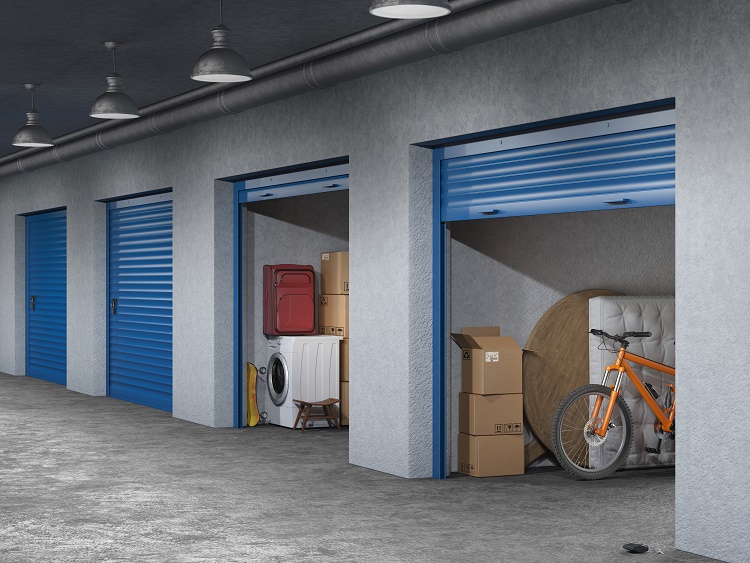
For anyone seeking reliable off-site options, well-maintained self-storage Calgary facilities offer clean, secure environments. These spaces often help preserve gear better than home sheds or garages.
Use Proper Racks and Mounts to Avoid Wear
Letting bikes rest on their tires for months causes flat spots or frame stress. We hang them from wall hooks or ceiling mounts by the frame. Vertical racks help keep them off the ground and safe from being bumped. If we stack anything nearby, we make sure nothing leans against the frame or spokes.
Skis, snowboards, or hiking poles need similar care. We use padded wall brackets that hold them upright without pressure. Leaning long gear in corners warps their shape over time. For items with foam padding, like kayak seats or snowboard boots, we keep them loose rather than compressed.
Hooks with rubber coating reduce scratches, and racks that fit gear types help prevent accidents. Investing in the right support system keeps everything aligned, clean, and ready for next season.
Choose the Right Storage Environment
Extreme heat, cold, or humidity are tough on outdoor gear. Therefore, we avoid attics or outdoor sheds when possible. High moisture leads to rust, while low temps make rubber brittle. Temperature swings can also cause plastics to crack. Climate stability is key to preventing damage during long-term storage.
That’s why we often rely on indoor units with good airflow and steady conditions. Dust buildup and poor insulation often harm gear just as much as moisture. Quality storage spaces should be dry, shaded, and away from direct sunlight.
For longer seasonal storage, it helps to use secure indoor self-storage units that maintain cleaner air and avoid outdoor weather extremes. These features make a big difference over several months.
Schedule Routine Checks to Prevent Surprise Damage
Even in good conditions, gear should not be ignored for too long. Every few months, we take a quick look at our stored items. We check bicycle tire pressure, inspect for mold on sleeping bags, and clean dust from gear surfaces. Catching small issues early keeps us from facing bigger problems later.
If anything smells musty or looks worn, we unpack it, clean again, and let it air out. We also rotate items to keep them in better shape, especially foam pads or tires. Storing things for the long haul is safer when we stay involved and alert.
Well-organized bins and clear labeling also make these checks easier. With some effort, our gear stays in top condition year-round, even when out of sight.
Store Seasonal Gear Separately and Rotate as Needed
When we rotate our equipment for each season, it helps to separate warm-weather gear from cold-weather gear. That way, we don’t dig through snowshoes to find bike gloves. We box winter coats, skis, and snowboards together. Then we use another shelf or rack for tents, hiking boots, and kayaks.
As seasons change, we switch boxes and racks to make the current season’s gear easier to access. This method prevents damage from over-handling and keeps our storage area tidy. Most importantly, we avoid piling heavy gear on top of lighter items.
If space gets tight at home, we move off-season gear to long-term self storage in Calgary where it stays protected until next needed. Seasonal rotation keeps our gear fresh, easy to find, and safely out of the way when not in use.
Prioritize Pest Prevention from the Start
Outdoor gear sometimes attracts unwanted visitors. Rodents love soft padding, and bugs can crawl into bags or helmets. To avoid surprises, we always seal small gear in tight-lid containers. We never store food or snacks in bags, even by accident.
We also use cedar blocks or natural repellents instead of strong-smelling chemicals. That way, gear stays safe for use later. Holes or cracks in boxes often invite pests, so we replace any worn packaging before it goes into storage. Mesh bags are great for ventilation but not for pest protection, so we only use them inside sealed bins.
Storing gear off the floor reduces exposure too. Hanging items or placing them on wire racks helps keep rodents away. Careful placement and regular inspection are our best defense against long-term damage.
Don’t Overpack Your Storage Area
Stuffing a storage unit until it’s full creates problems later. When gear is packed tightly, it’s harder to remove safely, and items are more likely to get crushed. We always leave space to walk, lift bins, or move bikes in and out without stress.
We stack bins with lighter ones on top and make sure nothing leans against bike wheels or gear edges. Rushing the packing stage often leads to broken items or scratched surfaces. If needed, we use vertical space more than floor space, adding shelves or hooks.
This organized method also helps us find items faster without digging through piles. For ongoing projects or expanding gear collections, we choose storage that allows extra space to grow.
Know When to Use Professional Help
Sometimes, outdoor gear needs a bit more than basic prep. For example, high-end bikes benefit from pro tune-ups before storage. We take them in for lubrication and part inspections, especially if they won’t be ridden for months. Likewise, skis or snowboards should be waxed before off-season rest.
If mold is found or a zipper gets stuck, repair it before packing. Putting broken items into storage just means more hassle later. Getting things fixed first saves money and effort when the next season comes around.
For those unsure where to start or needing extra support, it helps to explore trusted self storage solutions in Calgary that offer secure, climate-conscious units. Knowing gear is protected makes the process easier and the outcome better.
FAQ
How do I prevent rust on my bike in long-term storage?
Dry your bike completely, apply light lubricant on the chain, and store it in a dry area with good airflow. Hanging it keeps the frame safe too.
Can I store gear in my garage all year?
You can, but only if it’s dry, well-ventilated, and free from pests. Extreme temperatures or humidity can cause damage over time.
What’s the best way to store tents for months?
Clean the tent, make sure it’s 100% dry, and store it loosely in a breathable bag. Avoid plastic bins for long-term fabric storage.
Should I remove air from sleeping pads before storage?
Yes, gently deflate them to avoid stressing seams but don’t fold too tightly. Store in a cool, dry spot away from sharp items.
Is it safe to leave bikes on their tires during winter?
No. Tires can flatten or the frame may bend. Hang the bike or use a proper rack to keep it off the ground.
For help choosing a secure unit or asking about long-term storage plans, reach out through our contact page using the form on this self storage contact page. Let’s find a safer way to protect your outdoor gear year-round.